rental friendly
Making the Most of a Small Balcony as a Renter
A practical, considered guide to furnishing and lighting a compact outdoor space without drilling into walls or violating your lease.
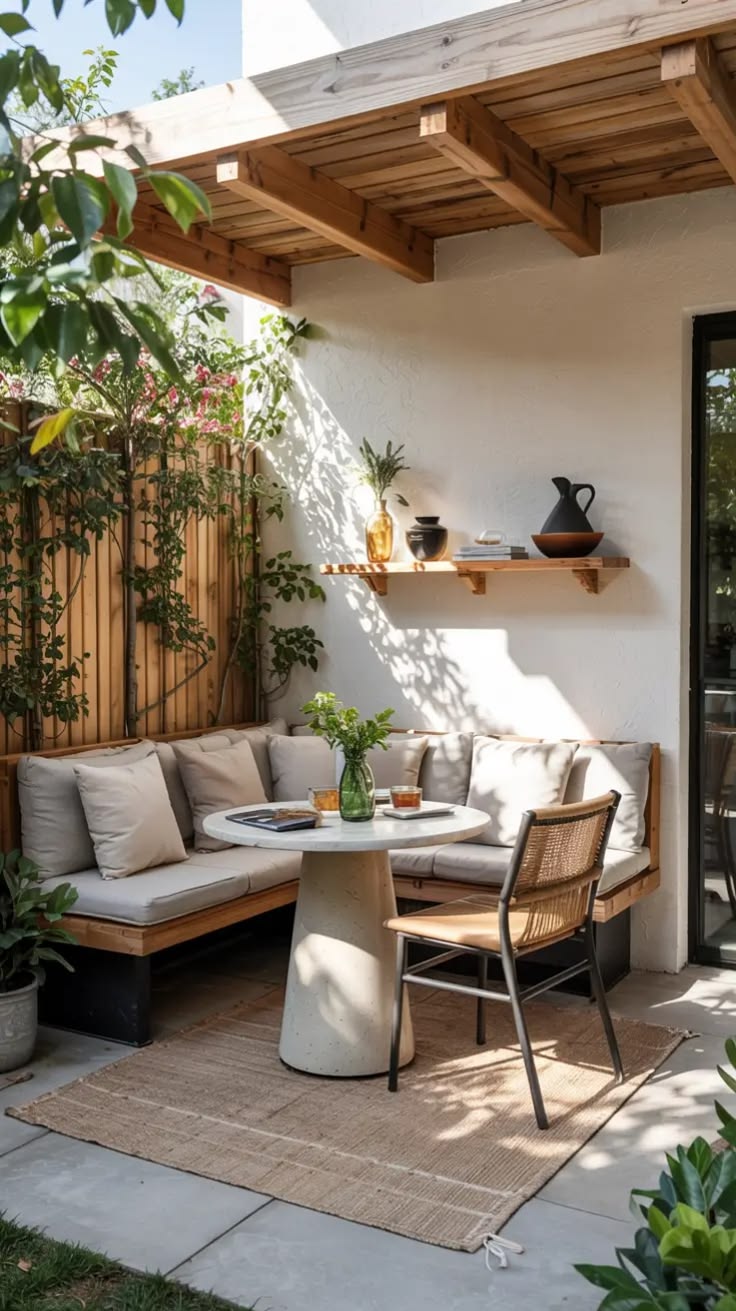
The balcony is the most underestimated room in a rental apartment. It exists in a strange category: technically outdoor, technically yours for the duration of the lease, and yet perpetually treated as an afterthought — a place to store a folding chair you never unfold, a drying rack, a bag of soil from last spring’s optimistic herb project.
This is a mistake worth correcting.
Even a balcony measured in single digits of square footage can function as a genuine extension of your living space. The constraints that renters face — no permanent fixtures, no drilling into the building facade, no alterations that can’t be reversed — turn out to be clarifying. They force a kind of edit. What you bring out there has to earn its place, and the result is often more considered than anything achieved with a bigger budget and fewer restrictions.
Start With the Floor Plan, Not the Furniture
Before anything else, measure. Not just length and width, but the distance from the railing to the door, the width of the door opening itself, whether the railing is solid or open, where the sun falls at different hours. A balcony that faces west is a different design problem than one that faces north.
Most small balconies fall into one of two categories: narrow and deep, or square and shallow. Narrow-and-deep balconies tend to work well with furniture arranged along one side, leaving a clear path. Square-and-shallow ones are more forgiving but punish oversized pieces — a table that works beautifully in a showroom can make it impossible to pull out the chairs once you’re out there.
The general principle is to leave at least 18 inches of clearance between any chair and the railing or wall behind it. Less than that, and sitting down becomes an act of choreography.
Once you have those numbers, you can make an honest decision about scale. A true bistro table — 24 inches in diameter — is usually the ceiling, not the floor, for a balcony under 40 square feet. The Outdoor Bistro Set at this price point offers exactly that footprint. The steel frame is rustproof and folds flat, which matters more than it might seem: when the weather turns, when guests overflow from inside, when you need the space for something else entirely, the ability to collapse it and move it is a real functional advantage.
If your balcony has a bit more room — say, 50 to 70 square feet — the NUU GARDEN 3 Piece Outdoor Bistro Table Set handles the extra scale without feeling heavy. Cast aluminum is lighter than it looks and doesn’t require the seasonal anxiety that iron does. The pieces move easily, which matters for a surface that’s likely to see some rearranging over the course of a summer.
Lighting Without an Outlet
The renter’s central lighting problem: most balconies have no exterior outlet, or have one outlet in a location that serves no one. Running an extension cord from inside requires propping the door, which solves nothing. Hardwiring anything is out of the question.
String lights on solar panels are the obvious answer, and they’ve improved considerably in the last few years. The relevant question is no longer whether solar string lights work — they do, in most climates, for most of the season — but which ones are worth the investment.
The Brightech Ambience Pro Solar Powered Outdoor String Lights runs 27 feet with a detachable panel, which means you can position the panel where it gets the most direct sun and run the lights to wherever they’re actually useful. The panel and string separate, so if your sunniest spot is a corner that would otherwise be inconvenient, you’re not constrained to put the lights there too. LED bulbs rated at 20,000 hours mean you’re not replacing these every other season.
For balconies where durability is the priority — particularly in climates with significant temperature swings, or if you’ve broken glass globes before — the GPATIO Outdoor String Lights takes a different approach. The globes are shatterproof plastic, and at 30,000 hours of rated lifespan, they’re built with the assumption that they’ll be moved and reinstalled multiple times. The energy efficiency is notable too: these draw significantly less power than older incandescent strings, which matters if you are eventually able to run them from an outlet.
The mechanics of hanging string lights on a rental balcony deserve a moment. S-hooks over railings work for most configurations and leave no mark. Tension rods across doorframes or between railing posts can support lights without adhesive. Outdoor command hooks rated for weather will hold a single strand; stagger the attachment points to avoid creating a straight horizontal line, which tends to look institutional rather than warm.
The Ground Underfoot
Balcony flooring is often the most dispiriting element of the space: bare concrete, or concrete with a drain in an aesthetically inconvenient location, or tile that was chosen for durability alone. The good news is that this is one of the most reversible changes you can make.
Interlocking deck tiles — sold in wood, composite, and stone-look options — sit directly on existing surfaces without adhesive. They can be cut to fit irregular shapes and taken up completely when you move. For balconies with drains, most tile systems are designed to allow water to pass through; confirm this before purchasing, but it’s rarely an issue.
The tile choice affects how the rest of the space reads. A wood-grain composite creates warmth and makes steel or aluminum furniture look more deliberate. Stone-look tiles tend to read more formally and work better with furniture that has some visual weight. Neither is wrong; they’re different registers.
Plants and the Matter of Weight
Every balcony improvement guide eventually arrives at plants, and for good reason. A single large-leafed plant can do more for the atmosphere of a small outdoor space than most other interventions combined. But renters have two specific concerns that aren’t always addressed: load limits and container drainage.
Most apartment balconies have posted or documented weight limits — check your lease or ask your building manager. Saturated soil is heavy, and large ceramic pots can add up faster than expected. Fabric grow bags and lightweight plastic pots with drainage holes are the practical answer. They look less refined than ceramic, but a few well-placed specimens in simple black plastic containers hold up surprisingly well visually, particularly once the plants themselves fill in.
For renters who want greenery without the weight concern, trailing plants in wall-mounted planters attached to railings (no drilling required — there are clip-on and zip-tie solutions designed for this) add vertical interest without loading the floor. Pothos, string of pearls, and sweet potato vine all perform well in containers and spill over edges in a way that makes a railing feel like a deliberate design element rather than a safety feature.
Consistency Over Accumulation
The single most common mistake on small balconies is the same one made in small rooms: filling available surface area because it exists. A folding chair here, a side table there, a citronella candle, a small rug, a pot, another pot — and suddenly the space feels smaller than it did empty.
A more useful instinct is to decide, before purchasing anything, what the balcony is actually for. A morning coffee space needs only a chair and a surface. A working-from-outside setup needs those things plus some shade. An evening gathering space needs seating, lighting, and enough clearance that two people aren’t negotiating around each other constantly.
When the function is clear, the shortlist writes itself. A well-chosen bistro set and a strand of lights that actually work — solar-powered, durable, scaled correctly — will do more for the usability of a small balcony than a cart full of decorative objects that require supervision. The best version of a rental balcony is the one you actually use, in the morning before the building wakes up, or in the evening when the temperature finally drops.
It doesn’t need to be more than that.
Shop the post
The pieces, sourced
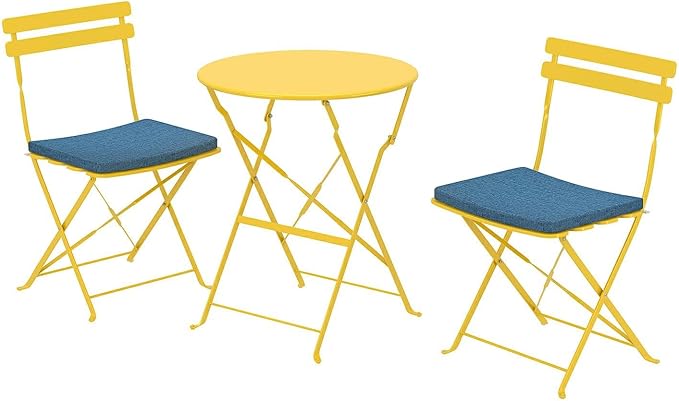
Outdoor Bistro Set
$104.14 at time of writing
A folding steel bistro set that earns its floor plan. The CPC-certified frame handles weather without rusting, and the whole thing collapses flat when you need the square footage back.
Shop the piece →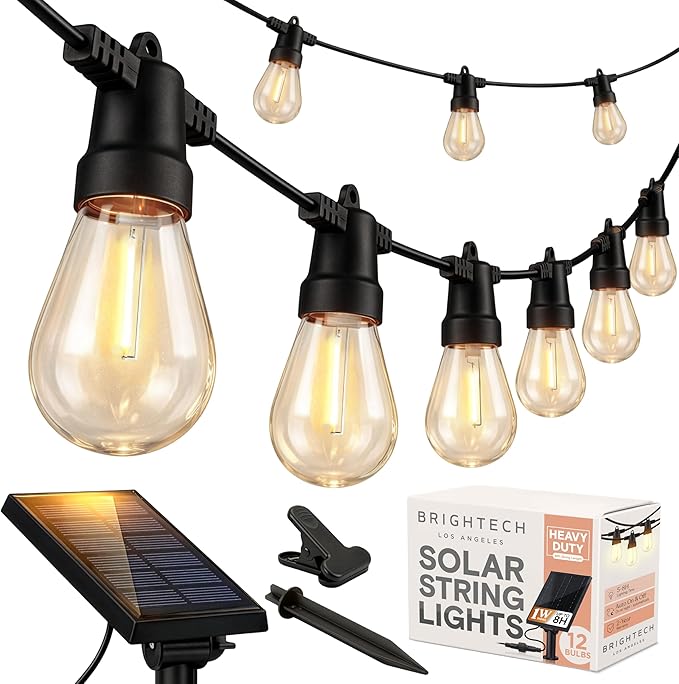
Brightech
Brightech Ambience Pro Solar Powered Outdoor String Lights
$25.55 at time of writing
Twenty-seven feet of warm LED string light powered entirely by a detachable solar panel — no outlet required, no landlord conversation necessary. The bulb spacing is generous enough to feel intentional rather than festive.
Shop the piece →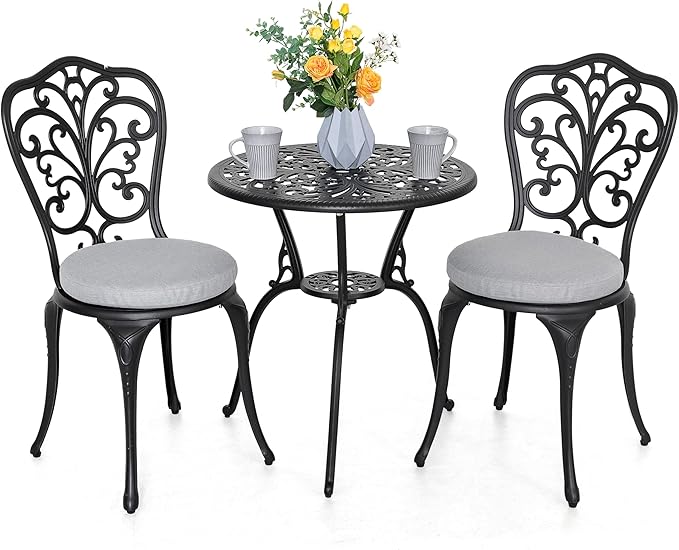
NUU GARDEN
NUU GARDEN 3 Piece Outdoor Bistro Table Set
$224.91 at time of writing
Cast aluminum keeps the weight low and the silhouette refined. It moves easily, assembles without ambiguity, and looks like it cost more than it did.
Shop the piece →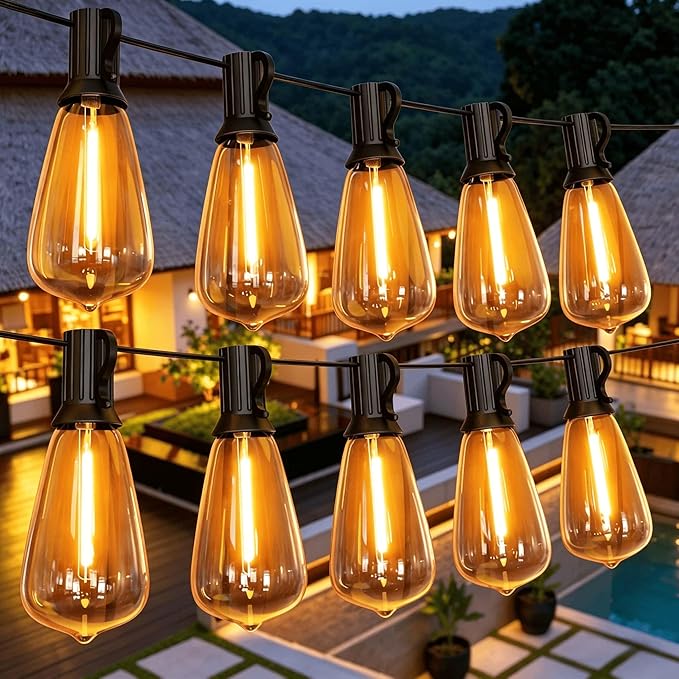
GPATIO
GPATIO Outdoor String Lights
$51.11 at time of writing
Shatterproof plastic globes rated for up to 30,000 hours of use — the kind of fixture you buy once and keep carrying through every move. High-efficiency LEDs draw a fraction of the power of older incandescent strings.
Shop the piece →